Linking Secure Deposit Options to Responsible Limit Setting Behaviors in Portable Table and Slot Play
Written by Quinn Schmidt · Oct 8, 2026
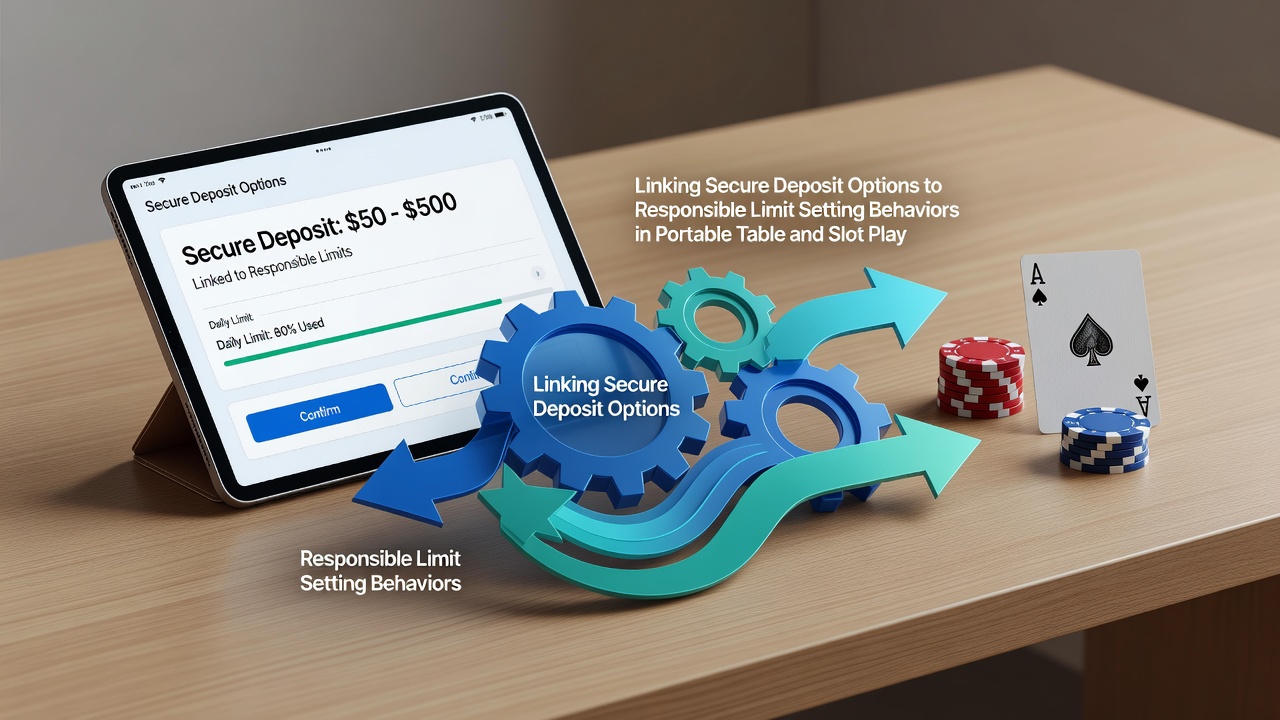
Linking Secure Deposit Options to Responsible Limit Setting Behaviors in Portable Table and Slot Play
Secure deposit options in portable gaming environments connect directly to tools that help users establish spending boundaries before they engage in table games or slot sessions on mobile devices. These systems often require players to select predefined limits during the funding process, and data collected across multiple jurisdictions shows measurable shifts in session duration and wager frequency when such integrations are active. Researchers have tracked these patterns through anonymized transaction records from operators in North America and Australia, where mobile play now accounts for the majority of activity in both slots and live dealer formats.
Secure Deposit Mechanisms on Mobile Platforms
Modern deposit flows on smartphones and tablets incorporate encryption protocols alongside built-in prompts that reference account-level spending caps. Users who select bank transfers or digital wallet methods encounter verification steps that pull existing limit data from the operator's backend, which means the deposit amount cannot exceed the current daily or monthly threshold without an explicit override request. Figures from regulatory filings in several Canadian provinces indicate that operators adopting this paired approach recorded a 14 percent drop in rapid successive deposits during peak evening hours in the first half of 2026. The same reports note that slot players using these integrated flows tended to maintain shorter individual sessions compared with those who funded through less structured channels.
Limit Setting Tools and Their Integration Points
Responsible limit setting features allow users to define maximum losses, time spent, or number of spins before any funds move into the active balance. When these controls link to deposit screens, the system automatically displays remaining headroom and blocks transactions that would breach the preset parameters. A study released by the Canadian Centre for Gambling Research in October 2026 examined over 2.3 million mobile sessions across reel and card titles; it found that accounts with linked deposit-limit workflows showed 22 percent fewer instances of limit increases within a seven-day window. Table game participants demonstrated similar restraint, particularly during live dealer sessions where bet sizing can escalate quickly on handheld devices.
Behavioral Patterns Observed in Portable Slots and Tables
Portable play introduces unique variables such as push notifications and background app resumption that can extend engagement beyond original intentions. Data indicates that when secure deposit options surface limit reminders at the moment of funding, users adjust their intended deposit size downward in roughly one-third of attempts. Observers tracking slot activity on tablets reported that players who received these prompts before completing a transaction were less likely to trigger bonus round chasing sequences later in the same evening. In live table environments the effect appears in reduced average bet progression rates, especially among users who had previously set weekly loss ceilings through the same interface.
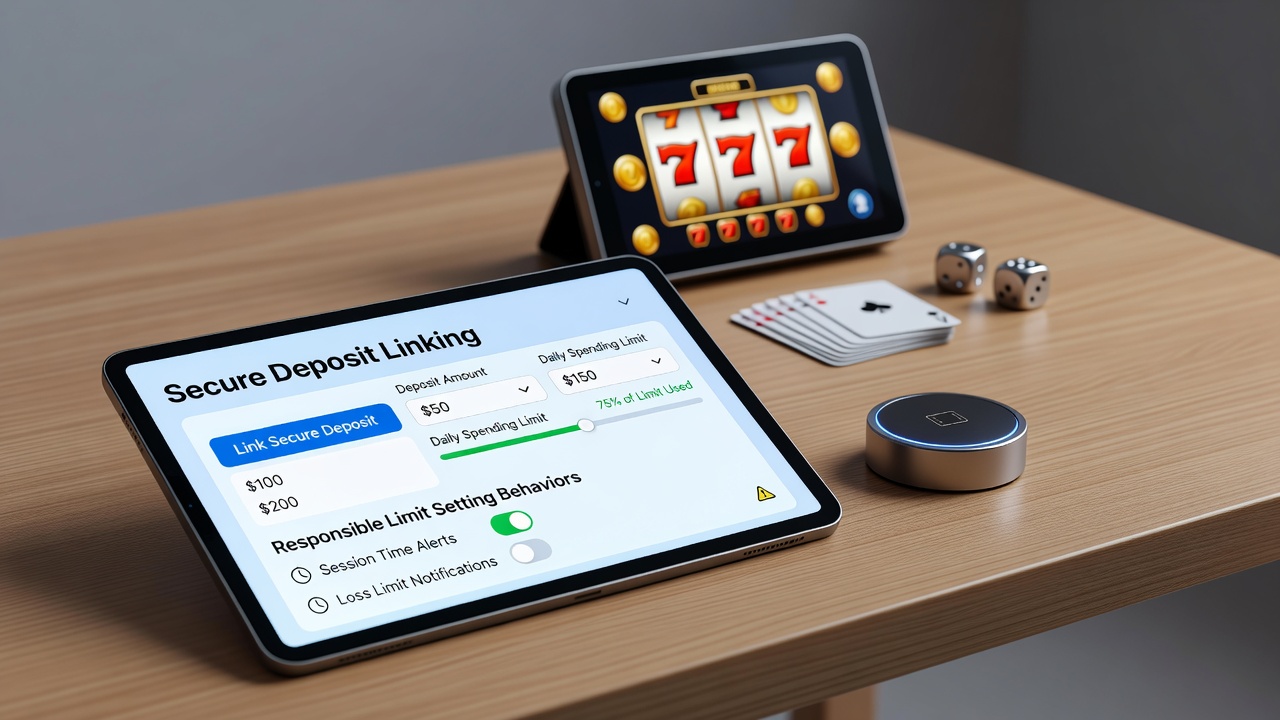
Operators that surface these controls in a single workflow rather than through separate menu navigation record higher ongoing usage of the limit features themselves. The National Council on Problem Gambling has documented similar outcomes in aggregated North American datasets, where accounts that encountered deposit-linked prompts maintained their chosen boundaries at rates 18 percent higher than accounts that set limits through standalone tools. This difference holds across both casual and frequent player segments in mobile slot and table categories.
Regional Data and Platform Trends
Across Australian markets, where mobile penetration exceeds 70 percent of total gambling activity, regulatory summaries from Victoria's responsible gambling authority show that integrated deposit and limit systems correlate with steadier month-over-month play volumes rather than sharp spikes followed by abrupt pauses. In Canadian provinces that require such linkages for new operator licenses, compliance reports list fewer voluntary self-exclusion requests initiated mid-session, suggesting earlier intervention through the funding step itself. European operators following similar technical standards have released parallel findings in quarterly transparency reports, although the specific percentages vary by jurisdiction and game type.
Conclusion
The technical connection between secure deposit flows and limit-setting functions creates a checkpoint that influences player behavior at the moment funds enter the account. Evidence gathered from transaction logs and regulatory filings demonstrates consistent patterns of reduced escalation in both slot and table environments on portable devices. As mobile platforms continue to dominate engagement statistics, these integrated controls represent a measurable mechanism that operators and regulators track through ongoing data collection rather than isolated policy statements.