Tracing Funding Channels and Self-Limit Tools Among Frequent Reel and Card Players on Handheld Devices
Written by Taylor Otto · Aug 25, 2026
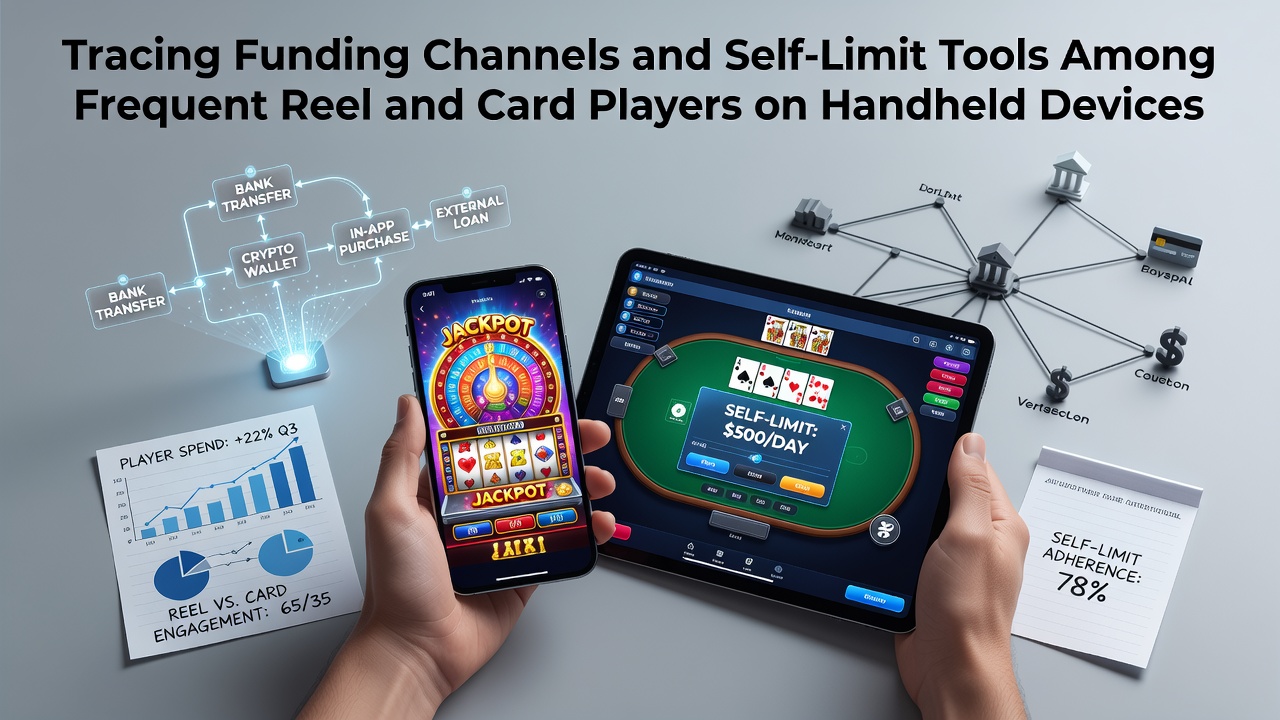
Tracing Funding Channels and Self-Limit Tools Among Frequent Reel and Card Players on Handheld Devices
Players who engage frequently with reel and card games on handheld devices rely on specific funding channels that allow quick deposits and seamless withdrawals while they move between sessions on phones and tablets. Research from multiple regions shows these patterns have evolved alongside mobile payment technologies, with data indicating that credit and debit cards remain dominant in many markets while digital wallets and bank transfers follow closely behind. Observers note that in August 2026 reports from regulatory bodies highlighted continued growth in instant funding methods tied directly to mobile apps, allowing users to maintain extended play without leaving the device interface.
Funding traces often begin with the initial account setup where players link payment sources through app stores or direct banking integrations, and studies from the Australian Institute of Family Studies reveal that frequent users of slot and table games on mobile devices complete an average of three to five deposits per week using these linked methods. What's interesting is how card-based transactions provide detailed records that operators and researchers can analyze for patterns, whereas e-wallet transfers sometimes obscure direct lines between player accounts and game activity until further tracing occurs through transaction logs.
Common Funding Pathways in Mobile Gaming
Analyses of player behavior indicate that direct bank transfers through services integrated into iOS and Android platforms account for a significant portion of larger deposits among frequent reel and card participants, while smaller, repeated top-ups often route through stored card details or prepaid options. According to data compiled by the Responsible Gambling Council in Canada, handheld device users who play card games such as blackjack and poker show higher rates of using multiple funding sources within a single month compared to those focused primarily on reel games. This distinction emerges because card sessions tend to involve strategic betting adjustments that prompt varied deposit amounts, creating traceable sequences across payment processors.
Payment providers have adapted their systems to support these habits, and figures from industry reports in 2026 demonstrate that integration with mobile operating systems allows near-instant verification, reducing the friction that once existed between deciding to fund and resuming play. Researchers have documented cases where players switch between funding channels mid-session when one method reaches daily limits, which in turn generates additional data points for tracing overall activity levels. Yet the core records from card networks and banking institutions still serve as the primary means for reconstructing spending timelines on handheld platforms.
Implementation of Self-Limit Tools
Self-limit tools embedded in mobile gaming applications enable users to set parameters around deposits, losses, and session durations, and evidence from regulatory tracking shows increasing adoption rates among those who play reel and card titles regularly on handheld devices. These features typically appear in account settings where players can activate daily, weekly, or monthly caps, with the system automatically enforcing restrictions once thresholds are approached. Data indicates that card game enthusiasts tend to utilize time-based limits more often than deposit caps alone, while reel players show the opposite preference in several examined datasets.
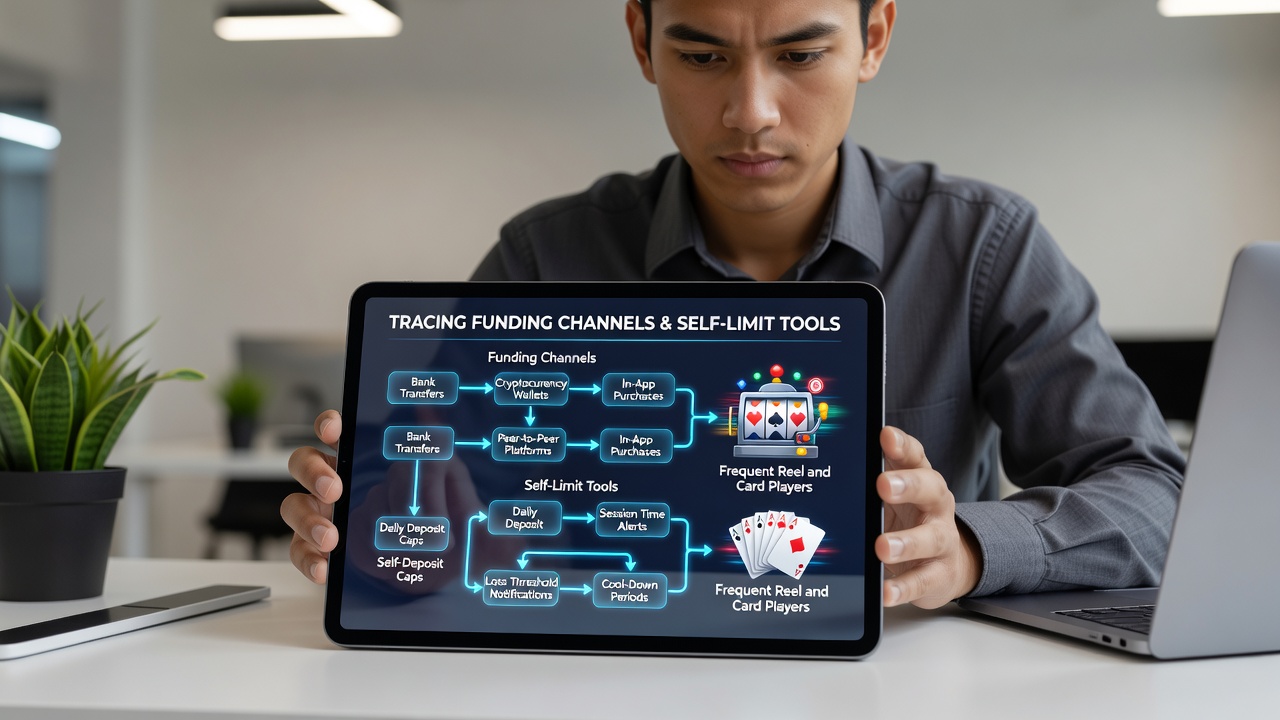
Operators integrate these tools directly into the same interface used for funding, which creates opportunities to cross-reference limit settings against actual transaction records. Studies conducted across North American and European markets reveal that players who activate self-limits early in their mobile gaming history maintain lower overall funding volumes over six-month periods compared to those who never engage the features. The tools also generate alerts that interrupt play when limits near, providing documented moments where behavior adjustments occur.
Tracing becomes more precise when self-limit data combines with funding channel logs, since researchers can identify instances where players attempted to bypass restrictions through secondary payment methods. Reports released in August 2026 from Canadian sources noted that such combined datasets help identify shifts in player patterns without requiring manual review of every transaction. Those who study these systems emphasize that the technical architecture of mobile apps supports real-time enforcement, reducing delays that existed in earlier desktop-based platforms.
Patterns Observed in Recent Data
Longitudinal tracking of frequent users shows that reel and card players on handheld devices often maintain consistent funding rhythms tied to pay cycles or specific days of the week, and this regularity assists in mapping channel preferences over time. Academic analyses from institutions in Australia and Canada demonstrate that self-limit tools correlate with reduced variance in weekly spend when players apply them consistently across multiple games. The intersection of these elements creates datasets that regulatory bodies and research groups use to understand broader trends in mobile gambling activity.
Payment processors contribute anonymized aggregates that further illuminate how funding volumes distribute across card types, digital wallets, and direct transfers, while app-level logs capture the self-limit activations that accompany those flows. Observers note that in 2026 the granularity of available records has improved due to standardized reporting requirements in several jurisdictions, allowing clearer connections between specific tools and funding behaviors among active players.
Conclusion
Combined examination of funding channels and self-limit tools provides a clearer picture of activity among frequent reel and card players on handheld devices, with available records supporting detailed reconstruction of patterns through transaction histories and limit enforcement logs. Data from multiple regions continues to inform how these elements interact within mobile environments, and ongoing collection efforts ensure that researchers maintain access to current information as payment technologies and app features develop further.